


E-Commerce websites are ubiquitous on the web these days, here are some helpful tips to improve your businesses performance and outreach:
Original Content Marketing

Having original content on your website can help generate more engagement, which ultimately leads to more conversations on your website. Good content marketing ensures that your potential customers are getting the information that they actually want to see more frequently.
Whether it be monthly blog posts, email newsletters, or videos, these are all content that drives engagement in your e-commerce business. We recommend using an 80/20 principle with 80% going towards more informational content and 20% going into promotional efforts.
E-mail Marketing

E-mail newsletters have been a proven method of retaining your customer audience in a significant way. It’s important to include relevant information and links in these newsletters such as promotions, special offerings, events, and content sharing.
Today there are many platforms you can use to monitor the analytics and metrics of your newsletters. These services will give you invaluable information such as who has opened your email, how frequently, who unsubscribed, and much more.
SEO for E-Commerce
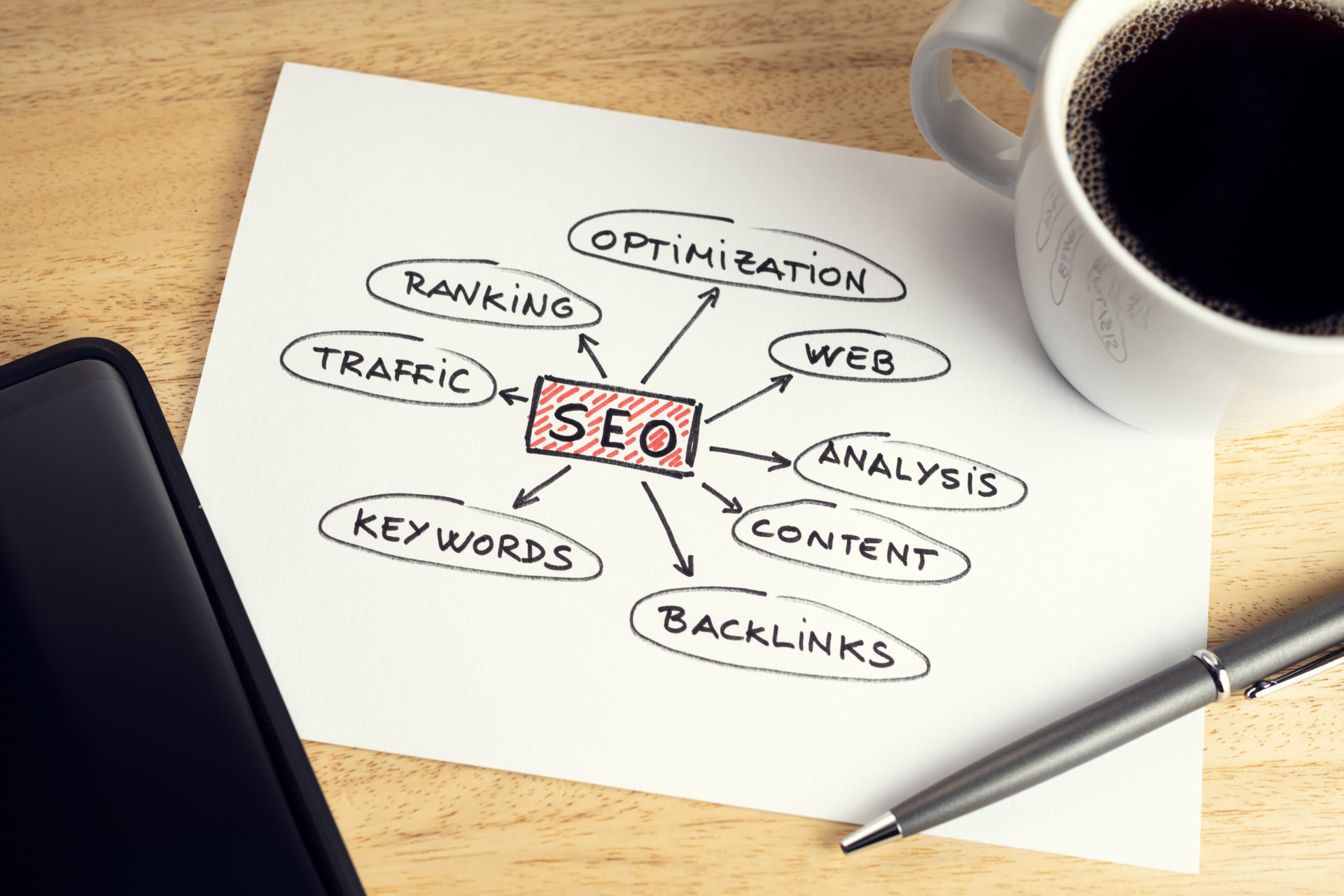
With the substantial influence our search engines have today in marketing, it’s important that you strategize your SEO for your e-commerce website. This will include having relevant and frequent content related to your product and services.
As well as having little to no errors on your website in the forms of bad links, missing images, or broken pages. Using relevant and researched keywords throughout your page content is also a valuable strategy to use for SEO boosting.
User Experience Focused

A customer experience can leave a lasting impression and will be a big factor in whether conversions will take place. Designing your e-commerce website with convenience and ease of use in mind is ideal. Such as good text readability, button placement, and more.
You can also use the many usability tools out there to test the optimization of your website. Heat mapping software can tell you where your audience navigates and engages most often on your website, as well as readability testing applications.
Social Media Marketing

Everyone loves photos of products when making a purchase, and that’s why social media marketing is so vital in incorporating into your e-commerce strategy. Platforms such as Instagram, Facebook, and Pinterest are especially savvy when it comes to displaying your products and making engagement easier.
These platforms allow you to communicate within your industry, but also build an audience in a more personal way. Social media marketing also helps drive more traffic to your website through social engagement like calls to action, comments, as well as hashtags.
Dynamic Retargeting With Google Ads

We have all experienced retargeting ads at some point in our lives. Like that moment you were talking to your friend about a new kayak you wanted for your next trip, only to check your phone to realize you’re getting ads for that same kayak an hour later. Or maybe you were browsing the web for some new winter clothes, and you had spent more time on a specific sweatshirt you liked. Later to find out you’re getting related advertisements for that sweatshirt and others like it.
Dynamic Retargeting Ads are powerful because it allows brands to make more personal and relatable advertisements to people who are already interested in such products. This in return generates more probability of a sale. Dynamic Retargeting Ads provide useful metrics for your business to make the right adjustments when needed.
Are you ready to reach more potential customers? Give us a call or send us a message to schedule your FREE project consultation!