While social media advertising and email campaigns remain staples of digital marketing, personalized SMS marketing has emerged as one of the most effective and cost-efficient channels available to businesses today. With open rates that dwarf every other digital channel and delivery that lands directly on a customer’s phone within seconds, SMS marketing deserves a much more central role in most marketing strategies than it currently occupies.
This guide covers how personalized SMS marketing works, why it outperforms generic mass messaging, the specific benefits it delivers, and the best practices that separate high-performing campaigns from ones that get ignored or opted out of.
What Is Personalized SMS Marketing
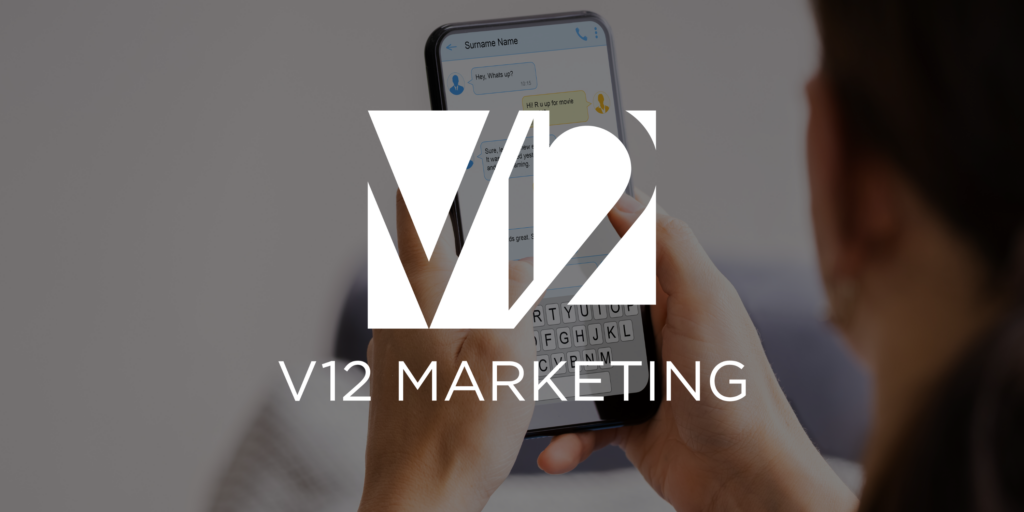
Personalized SMS marketing means sending customers text messages that are tailored to their individual demographics, preferences, purchase history, and behavior. The goal is to make every message feel directly relevant to the recipient rather than like a broadcast sent to thousands of people at once.
The difference is significant. A message that says “Get 20% off this weekend” is easy to ignore. A message that says “Hi John, we noticed you have been looking at our winter collection. Use code WINTER20 for 20% off your next purchase” feels like a personal recommendation from a brand that actually knows you. That specificity is what drives the engagement rates that make SMS marketing so valuable.
How Personalized SMS Marketing Works
Effective personalized SMS marketing follows a clear process that starts with data and ends with ongoing optimization.
Data collection is the foundation. Compile customer data through sign-up forms, purchase histories, website analytics, loyalty programs, and CRM systems. The more complete and accurate your customer data, the more relevant your messages can be.
Segmentation turns that data into actionable groups. Divide your audience based on factors like behavior, purchase frequency, location, age, or product interest. A customer who has purchased three times in the last six months should receive very different messaging than someone who signed up for your list but has never bought.
Message crafting is where the personalization becomes visible. Write concise, compelling messages for each segment that include personal identifiers like the customer’s name or a reference to their recent activity. Every message should have a clear purpose and a clear next step.
Timing and automation ensure messages arrive at the right moment. SMS marketing platforms allow you to schedule campaigns, set up triggered messages based on customer actions like cart abandonment, and automate follow-up sequences. Automation guarantees on-time delivery and makes personalized SMS marketing scalable across your entire customer base.
Analysis and optimization close the loop. Track open rates, click-through rates, and conversion rates to pinpoint areas in need of development and continuously refine your approach based on what the data shows.
Why SMS Marketing Outperforms Other Channels
Exceptional open rates. Text messages have an average open rate of 98 percent, compared to roughly 20 to 25 percent for email. The majority of recipients read an SMS within three minutes of receiving it. No other marketing channel comes close to that level of immediate attention.
Direct and immediate delivery. SMS contacts customers directly on their phones without competing with algorithm-driven feeds or spam filters. This makes it ideal for time-sensitive offers, appointment reminders, flash sales, and real-time updates where timing is critical to performance.
Cost-effectiveness. Compared to paid advertising, SMS marketing is highly affordable. With the right segmentation and personalization, even modest campaigns can generate a strong return on investment because you are reaching people who have already opted in and shown interest in your brand.
Enhanced engagement through relevance. Personalization creates a sense of connection that generic mass messaging cannot replicate. When customers receive messages that feel tailored to their specific interests and behavior, they are significantly more likely to engage, click, and convert.
Wide demographic reach. Nearly everyone has a mobile phone, making SMS one of the few channels that reaches across age groups, income levels, and geographic regions effectively. It works particularly well in situations where email engagement is low or internet access is limited.
Seamless integration with other channels. SMS marketing works well alongside email, social media, and other marketing tactics. You can use SMS to remind customers of an email offer they have not opened, drive social media follows, or reinforce a campaign message across multiple touchpoints for greater impact.
Industry Applications of Personalized SMS Marketing
Retail. Clothing brands send personalized discount codes based on a customer’s browsing history or past purchases, creating a reason to return that feels earned rather than generic.
Healthcare. Clinics send individualized appointment reminders and personalized health advice via SMS, reducing no-show rates and improving patient engagement significantly compared to phone calls or email reminders.
Hospitality. Hotels offer guests personalized promotions during their stay, such as dining discounts or room upgrade offers, creating an elevated experience that drives both satisfaction and direct revenue.
E-commerce. Online retailers use SMS to recover abandoned carts by sending reminders with special discounts at precisely timed intervals after a user leaves without purchasing. Cart recovery SMS campaigns consistently generate some of the highest ROI in e-commerce marketing.
Best Practices for SMS Marketing Campaigns
Always obtain consent first. Before sending any SMS, get explicit opt-in consent from the customer. Compliance with regulations like the TCPA in the United States is not optional. Building your SMS list organically through clear opt-in mechanisms also ensures you are reaching people who actually want to hear from you, which directly improves your engagement rates.
Keep messages concise. SMS messages are limited to 160 characters. Deliver your value clearly and quickly. Every word should earn its place. If you cannot communicate the core message and call to action in that limit, rethink the message rather than stretching it across multiple texts.
Include a clear call to action. Every SMS should tell the recipient exactly what to do next, whether that is clicking a link, using a discount code, replying to confirm an appointment, or visiting a specific page. Ambiguous messages produce poor results regardless of how well personalized they are.
Time your messages carefully. Sending SMS messages too early in the morning or too late at night generates negative reactions and opt-outs. Mid-morning and early afternoon tend to perform best for most audiences, though your own data will reveal the optimal windows for your specific customer base.
Monitor and optimize continuously. Track the performance of every campaign and use the data to make informed adjustments to your segmentation, messaging, and timing. Small improvements to each of these elements compound into significantly better overall results over time.
Building SMS Into Your Broader Marketing Strategy
The most effective use of SMS marketing is not as a standalone channel but as a complement to your existing marketing ecosystem. SMS works alongside email to reach customers who are not opening emails. It reinforces social media campaigns by delivering a more personal version of the same message. It supports paid advertising by following up with leads who have clicked an ad but have not yet converted.
When SMS is integrated into a broader multi-channel strategy with consistent messaging and coordinated timing, the cumulative effect on engagement and conversion is substantially greater than any single channel could achieve on its own.
Personalized SMS marketing is one of the most underutilized tools available to marketers today. Its combination of near-universal open rates, direct delivery, cost efficiency, and personalization capability makes it a channel that belongs in virtually every marketing strategy.